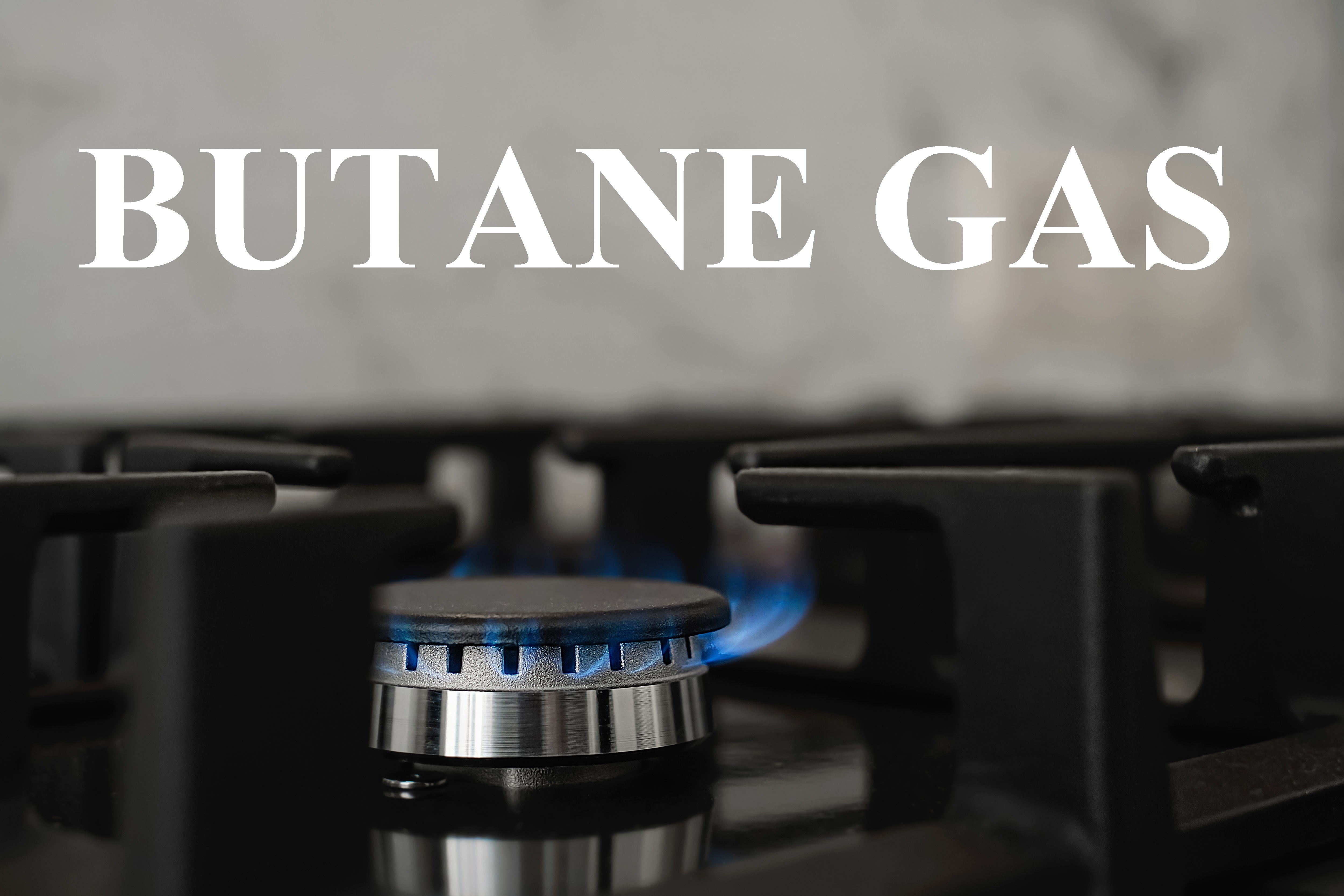
Butane is a flammable hydrocarbon gas commonly used as fuel for lighters, portable stoves, and heating. It is part of the alkane series and is one of the gases found in liquefied petroleum gas (LPG).
Specifications
- Chemical Formula: C₄H₁₀ (Butane)
- Molecular Weight: 58.12 g/mol
- Boiling Point: −0.5°C (31.1°F) at 1 atm
- Melting Point: −138.3°C (−216.9°F)
- Density: 0.573 g/cm³ (liquid at 15°C)
- Vapor Pressure (at 25°C): 2.05 MPa (297 psi)
- Flash Point: −60°C (−76°F)
- Appearance: Colorless, odorless gas (may have an added odor for detection)
- Odor Threshold: 0.5 ppm (odorized for safety)
- Flammability: Highly flammable
Applications
- Fuel: Used in portable stoves, lighters, and camping equipment as a fuel source.
- Propellant: Utilized in aerosol sprays as a propellant.
- Fuel for Vehicles: Butane can be blended with propane and used as an alternative fuel in vehicles.
- Industrial Applications: Used in the production of synthetic rubber, gasoline, and other chemicals.
Environmental Impact
- Low Global Warming Potential (GWP): Butane has a lower GWP compared to other hydrocarbon gases.
- Ozone Depletion Potential (ODP): Butane has an ODP of 0, meaning it does not deplete the ozone layer.
- Contributes to Air Pollution: When burned, it can release carbon dioxide (CO₂), contributing to greenhouse gases if not properly managed.